Your sewer line backs up, a plumber runs a camera, and the verdict comes back: the pipe under your yard is cracked, root-clogged, or collapsed. Then somebody mentions an excavator. Suddenly you're picturing a trench cut clean through the lawn you've watered for years, maybe across the driveway, with a repair bill that keeps climbing once the dirt starts flying.
Take a breath. In most cases here in Colton, we don't have to dig your yard apart to fix that line.
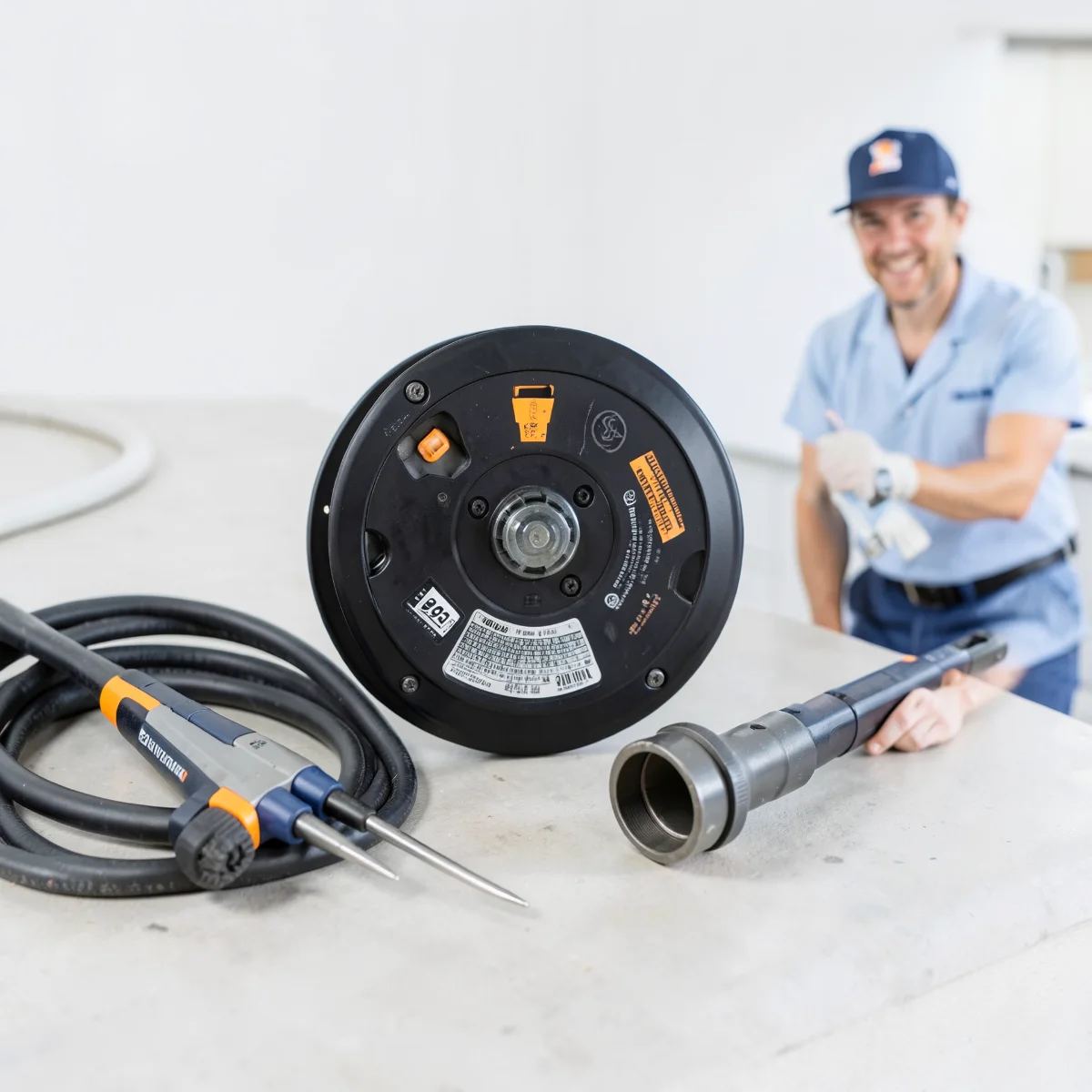
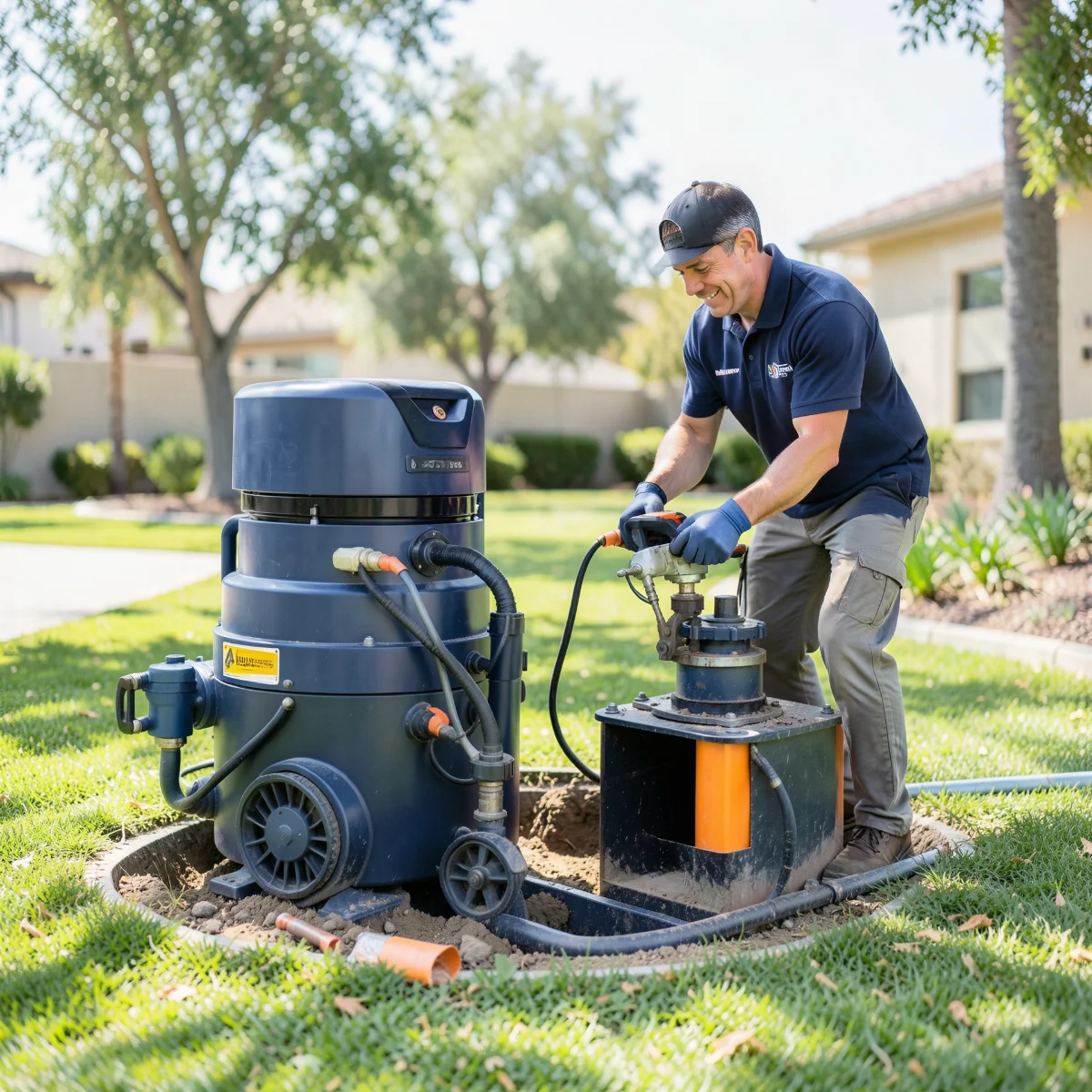
Trenchless sewer repair fixes the pipe from the inside or pulls a new one through the old path — usually through one or two small access points instead of a long open trench. Less digging, less mess, and the mature landscaping and concrete you've got out back generally stay right where they are.
Why Colton sewer lines fail in the first place
A lot of homes around Downtown Colton, South Colton, and the older streets off Mount Vernon were built between the 1940s and the 1970s, and plenty of them still have the original clay sewer line running to the street. Clay holds up for decades, but it has weak spots at every joint. Thirsty tree roots find those joints, work their way in, and grow into a mat that snags everything heading down the drain. Over time the joints offset, the pipe bellies, and a slow nuisance turns into a hard backup.
Our ground doesn't help. Colton sits on clay and adobe soil that swells when it's wet and pulls back when it's dry, and that constant push-and-pull stresses a buried line season after season. Add a seismically active region where even a minor shake can shift a pipe or crack a joint, and you've got real reasons an old sewer gives out down here.
Here's the straight answer on the fix. With CIPP lining — cured-in-place pipe — we pull a resin-saturated liner through your existing pipe and cure it hard, so a brand-new seamless pipe forms inside the old one with no joints for roots to chase. When a line is crushed or badly collapsed and lining won't do, we use pipe bursting: a head splits the old pipe outward and tows a new continuous PEX or HDPE line into place behind it. Either way, you end up with a sewer that should outlast the house — and your yard stays in one piece.
Signs your sewer line is the problem, not the toilet
- More than one drain backs up at once — tub gurgles when you flush, sink burbles when the washer drains.
- Repeated clogs that come right back a few weeks after every snaking.
- Sewer smell or wet, soggy patches in the yard along the path to the street.
- Slow drains across the whole house at the same time, not just one fixture.
- Drains that back up worse after heavy rain soaks the ground.
- A patch of lawn that's suddenly greener or sunken over the sewer run.